Reducing Pipeline Installation Risks with Pipe Spacers
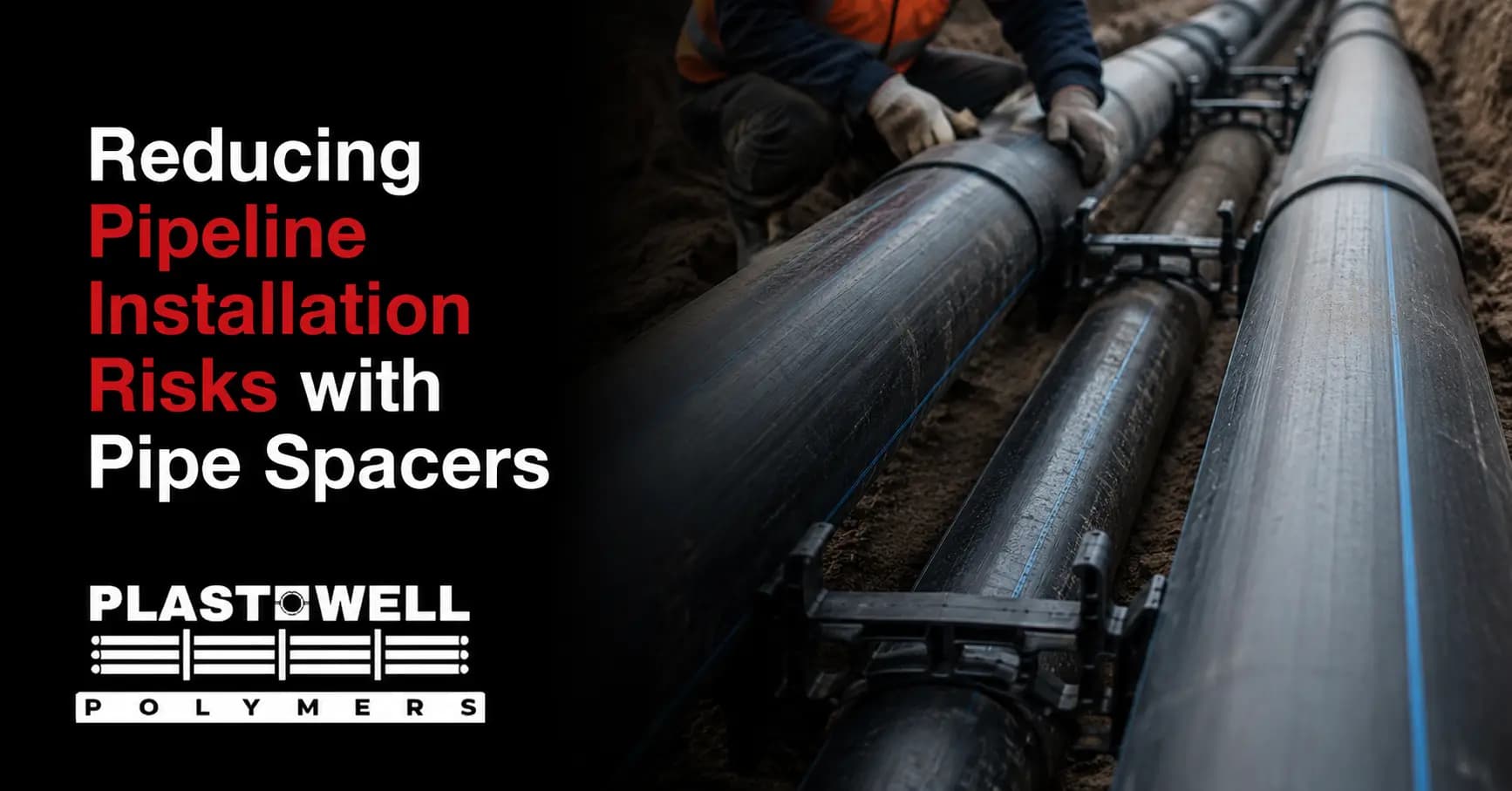
Pipeline infrastructure plays a critical role in industries such as oil and gas, water supply and sewage systems, telecommunications, and industrial utilities. Whether pipelines are installed beneath highways, railways, industrial zones, or urban developments, the installation process always involves technical challenges and operational risks. Even minor alignment issues during installation can lead to long-term maintenance problems, pipeline damage, or costly failures.
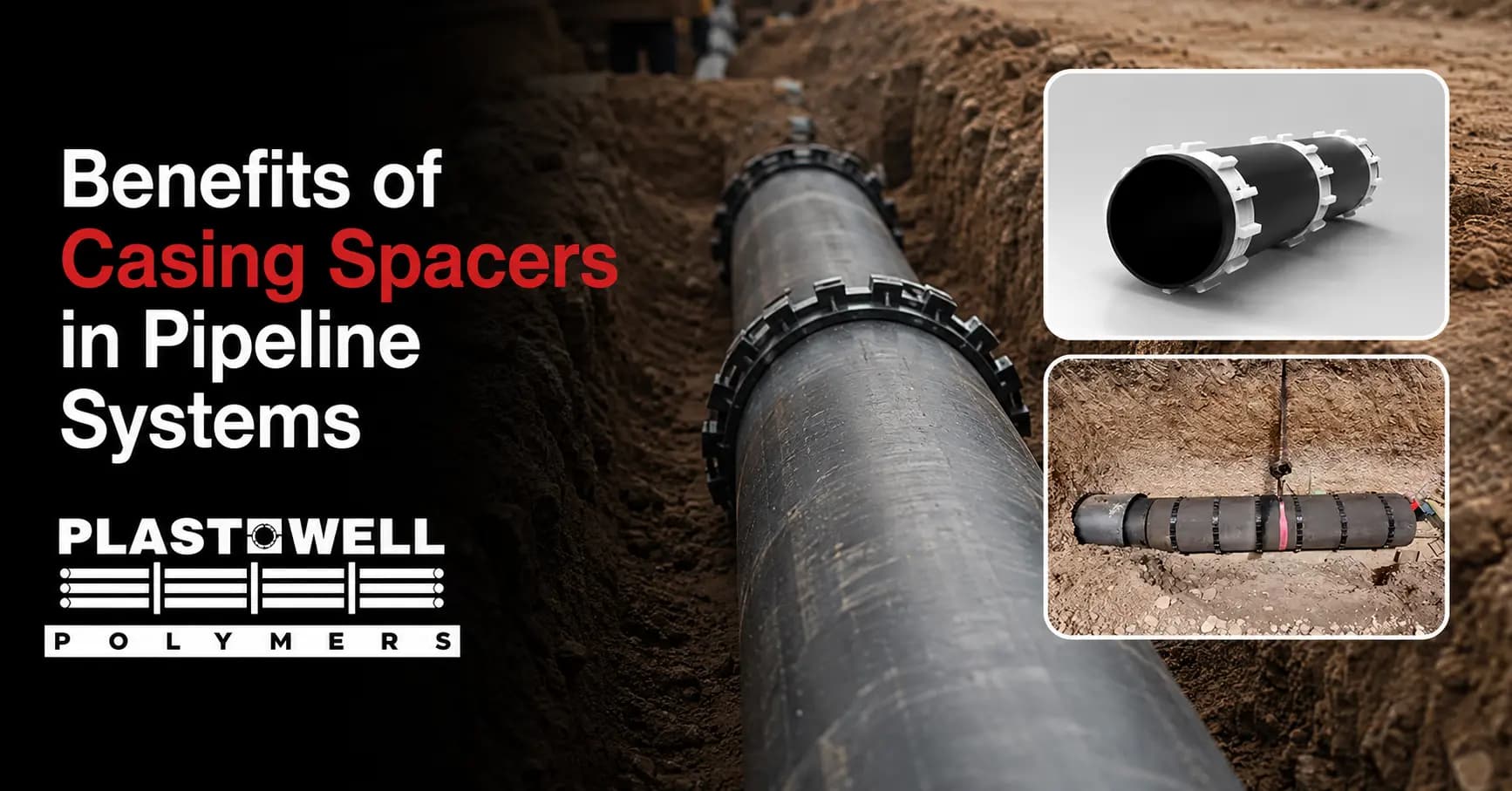
One of the most effective yet often overlooked solutions for minimizing these installation risks is the use of pipe spacers. Designed to support and center carrier pipes inside casing pipes, pipe spacers help ensure proper alignment, protect pipeline surfaces, and improve overall installation safety.
In today’s infrastructure projects, contractors and engineers are increasingly relying on high-quality pipe spacers to reduce operational risks and improve pipeline longevity. From preventing corrosion to minimizing friction during pipe insertion, pipe spacers contribute significantly to safer and more efficient installations.
This blog explores how pipe spacers help reduce pipeline installation risks, their importance in modern infrastructure projects, and the key advantages they offer across different industries.
Understanding Pipeline Installation Challenges
Pipeline installation is a highly technical process that requires careful planning and precision. During underground installations, pipelines often pass through casing pipes to protect them from external pressure, environmental conditions, and traffic loads.
However, without proper support systems, several issues can occur during installation:
- Pipe misalignment
- Surface abrasion and coating damage
- Excessive friction during insertion
- Uneven load distribution
- Pipe sagging inside the casing
- Increased corrosion risk
- Difficulty in maintenance and inspection
These problems can compromise the structural integrity of the pipeline and reduce its operational life. In critical sectors such as oil and gas or water supply systems, even a small installation mistake can result in major repair costs and operational disruptions.
Pipe spacers are specifically designed to address these challenges and improve installation reliability.
What Are Pipe Spacers?
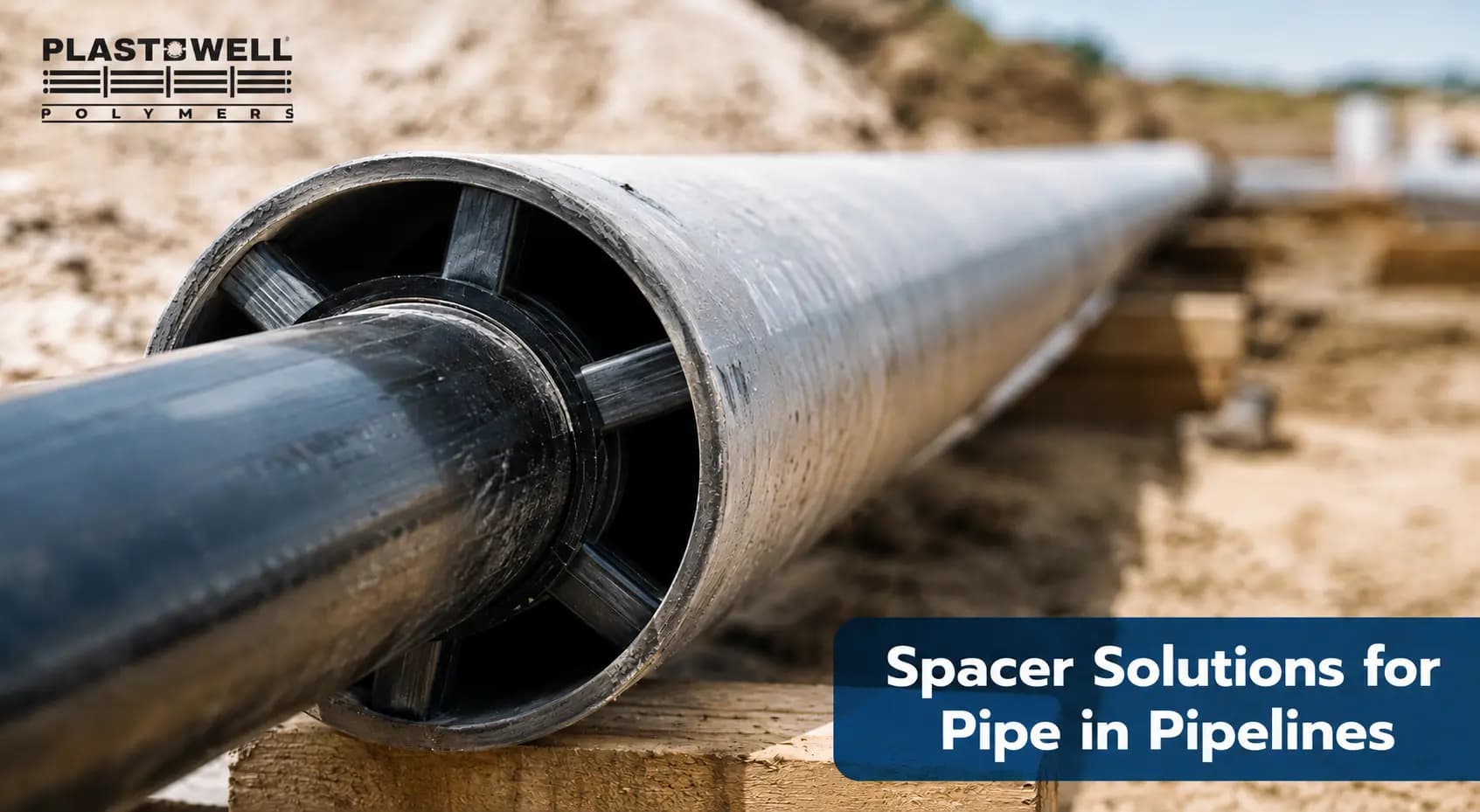
Pipe spacers are mechanical support devices installed around a carrier pipe before it is inserted into a casing pipe. Their main function is to maintain a consistent gap between the carrier pipe and the casing pipe.
Pipe spacers typically include:
- Spacer bands or rings
- Runners or skids
- Fastening systems such as bolts or clamps
They are manufactured using durable materials such as:
- High-density polyethylene (HDPE)
- Stainless steel
- Mild steel
- Engineering-grade polymers
These components help keep the carrier pipe centered within the casing while allowing smooth movement during installation.
How Pipe Spacers Reduce Pipeline Installation Risks?
1. Preventing Pipe Misalignment
One of the biggest risks during pipeline installation is improper alignment. When pipes are not properly centered inside the casing, uneven pressure can develop, leading to long-term structural stress.
Pipe spacers ensure the carrier pipe remains centered throughout the installation process. Proper alignment improves load distribution and prevents excessive stress on specific sections of the pipeline.
This is especially important in long-distance underground pipeline systems where even slight misalignment can create operational complications over time.
2. Reducing Friction During Installation
During pipe insertion, direct contact between the carrier pipe and casing pipe can create friction. Excessive friction increases the force required during installation and may damage protective coatings on the pipe surface.
Pipe spacers reduce this risk by providing smooth runners or skids that allow the carrier pipe to move easily through the casing pipe. This minimizes resistance and enables faster, safer installation.
Reduced friction also decreases the likelihood of scratches, dents, and coating failures that could later contribute to corrosion.
3. Protecting Pipe Coatings from Damage
Modern pipelines are usually coated with protective materials to prevent corrosion and environmental damage. However, during installation, these coatings can be damaged if the carrier pipe rubs directly against the casing pipe.
Damaged coatings expose metal surfaces to moisture and chemicals, increasing the risk of corrosion and premature failure.
Pipe spacers create a protective separation between the two pipes, preventing direct contact and preserving the integrity of the pipeline coating. This significantly improves the long-term durability of the system.
4. Improving Load Distribution
Underground pipelines are exposed to different external loads, including soil pressure, traffic loads, and environmental stress. Uneven weight distribution can cause localized stress points that weaken the pipeline structure.
Pipe spacers help distribute the load evenly across the pipe surface. This reduces the chances of pipe deformation, bending, or sagging during operation.
Proper load distribution is particularly important in large-diameter pipelines and heavy industrial applications.
5. Minimizing Corrosion Risks
Corrosion remains one of the leading causes of pipeline failure worldwide. When carrier pipes come into direct contact with casing pipes, trapped moisture and debris can accelerate corrosion.
Pipe spacers help maintain a consistent annular gap between the pipes, improving ventilation and reducing moisture accumulation. Some spacer materials, such as HDPE and stainless steel, also provide excellent corrosion resistance themselves.
By reducing direct metal-to-metal contact, pipe spacers contribute to better corrosion protection and longer pipeline service life.
6. Supporting Safer Pipeline Crossings
Pipelines often pass beneath roads, railways, rivers, and industrial structures. These crossing areas experience additional pressure and environmental stress.
Pipe spacers provide stable support during these critical installations by maintaining pipe positioning and preventing movement within the casing.
This added stability reduces the likelihood of structural damage and ensures the pipeline remains secure even under dynamic load conditions.
7. Reducing Maintenance and Repair Costs
Installation-related pipeline issues can lead to expensive maintenance, downtime, and emergency repairs. Misalignment, coating damage, and corrosion often require excavation and costly corrective work.
By reducing installation risks from the beginning, pipe spacers help prevent these long-term problems. Properly installed pipelines generally require less maintenance and experience fewer operational failures.
This results in lower lifecycle costs and improved project profitability.
Industries That Benefit from Pipe Spacers
Pipe spacers are widely used across multiple industries where underground pipeline systems are essential.
Oil and Gas Industry
Oil and gas pipelines require high levels of protection due to harsh operating conditions and environmental exposure. Pipe spacers help maintain alignment, reduce corrosion risk, and improve operational safety.
Water Supply Projects
Municipal water supply systems use pipe spacers to ensure smooth installation and reliable pipeline performance over long distances.
Wastewater and Sewage Systems
Pipe spacers help protect underground sewage pipelines from structural stress and environmental damage.
Industrial Infrastructure
Industrial facilities often install pipelines beneath roads and heavy equipment zones. Pipe spacers provide the necessary support and stability in these demanding environments.
Telecommunications and Utility Projects
Utility conduits and protective casings also use spacer systems to maintain proper cable and pipe alignment underground.
Importance of Choosing High-Quality Pipe Spacers
Not all pipe spacers offer the same level of performance. Poor-quality spacers may fail under load, crack during installation, or lose alignment over time.
Choosing high-quality pipe spacers is essential for reducing installation risks effectively.
Reliable spacers should offer:
- Strong load-bearing capacity
- Corrosion resistance
- Accurate dimensional design
- Long service life
- Easy installation
- Compatibility with various pipe sizes
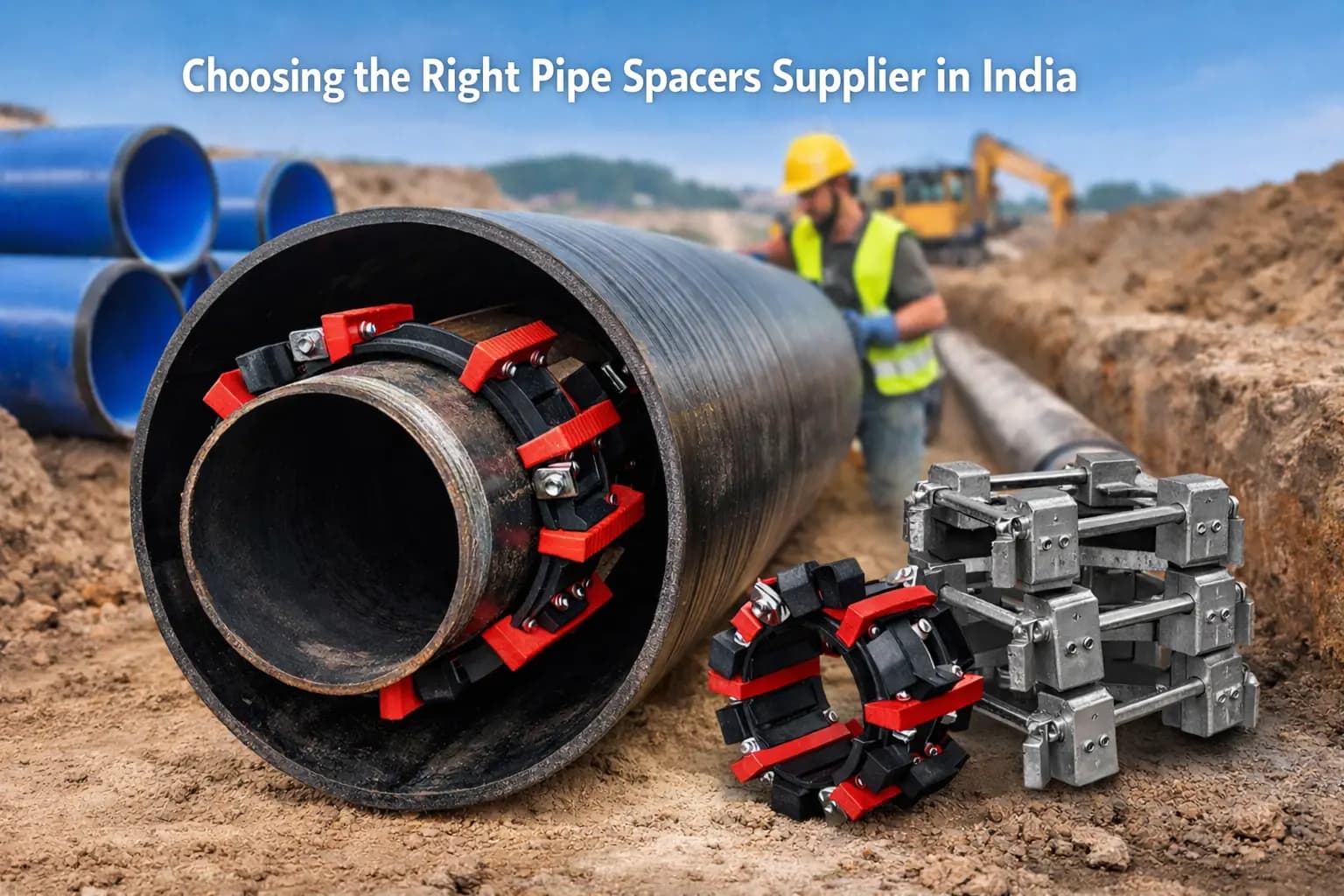
Working with experienced manufacturers ensures consistent product quality and better project outcomes.
Future Trends in Pipeline Protection Solutions
As infrastructure development continues to expand across India and globally, the demand for advanced pipeline protection systems is growing rapidly.
Manufacturers are increasingly developing innovative pipe spacer designs that offer:
- Enhanced load-bearing performance
- Better corrosion resistance
- Faster installation methods
- Improved adaptability for complex pipeline systems
Modern engineering practices are also focusing more on lifecycle cost reduction and long-term pipeline reliability, making pipe spacers an increasingly important part of infrastructure planning.
Conclusion
Pipeline installation involves multiple technical risks that can affect safety, durability, and operational performance. Problems such as misalignment, friction damage, corrosion, and uneven load distribution can lead to costly repairs and reduced pipeline lifespan.
Pipe spacers provide a simple yet highly effective solution for minimizing these risks. By maintaining proper pipe alignment, protecting coatings, reducing friction, and improving load distribution, they play a critical role in ensuring safe and reliable pipeline installations.
From oil and gas projects to municipal infrastructure systems, pipe spacers have become an essential component in modern underground pipeline engineering.
Investing in high-quality pipe spacers not only improves installation efficiency but also helps protect long-term infrastructure performance and reduce maintenance costs.
FAQs
1. What is the main purpose of pipe spacers?
Pipe spacers are used to maintain proper spacing and alignment between carrier pipes and casing pipes during underground pipeline installation.
2. How do pipe spacers reduce pipe installation risks?
Pipe spacers reduce risks by preventing pipe misalignment, minimizing friction, protecting coatings, improving load distribution, and reducing corrosion potential.
3. Which industries commonly use pipe spacers?
Pipe spacers are widely used in oil and gas, water supply, sewage systems, industrial infrastructure, and utility projects.
4. What materials are used to manufacture pipe spacers?
Common materials include HDPE, stainless steel, mild steel, and engineering-grade polymers.
5. How do pipe spacers help during road or railway crossings?
Pipe spacers stabilize the carrier pipe inside the casing pipe, reducing movement and protecting the pipeline from external loads during critical crossings.