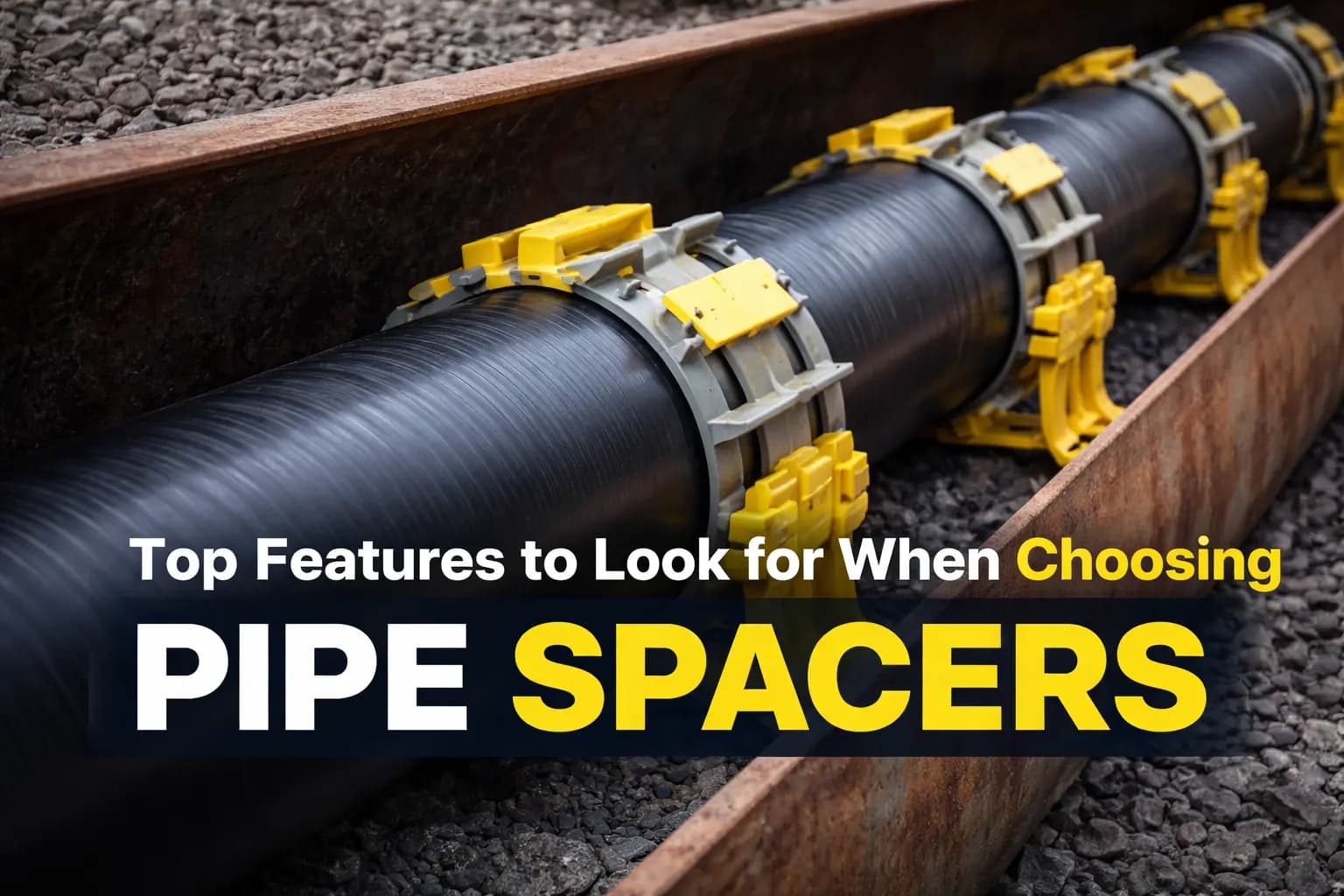
Top Features to Look for When Choosing Pipe Spacers
Pipeline infrastructure plays a critical role in transporting essential resources such as water, oil, gas, and chemicals across cities, industries, and utility networks. For these systems to function efficiently and safely, every component involved in pipeline installation must perform reliably. While pipes and casings often receive the most attention, smaller components like pipe spacers are equally important in maintaining the structural integrity of the pipeline system.
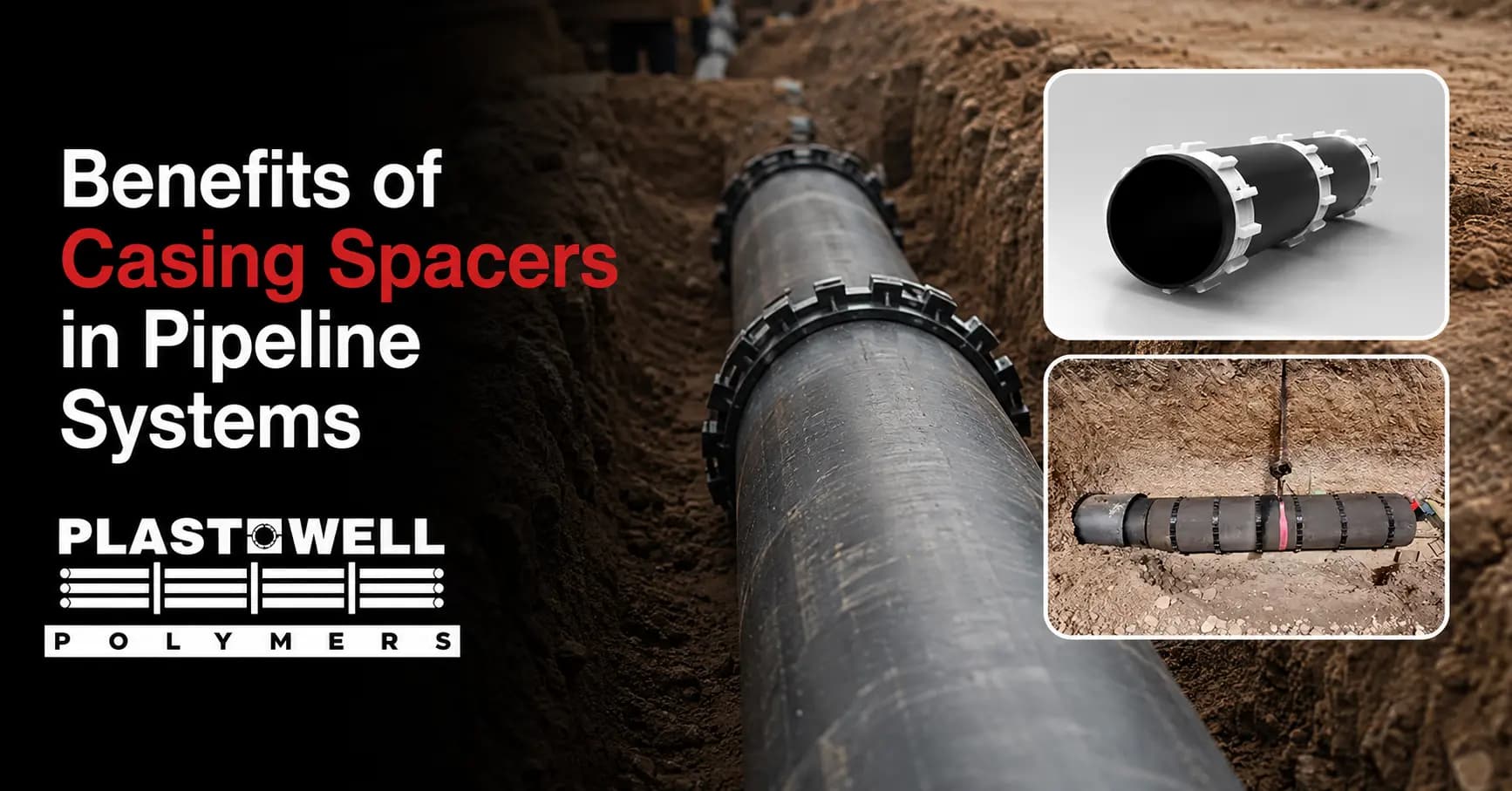
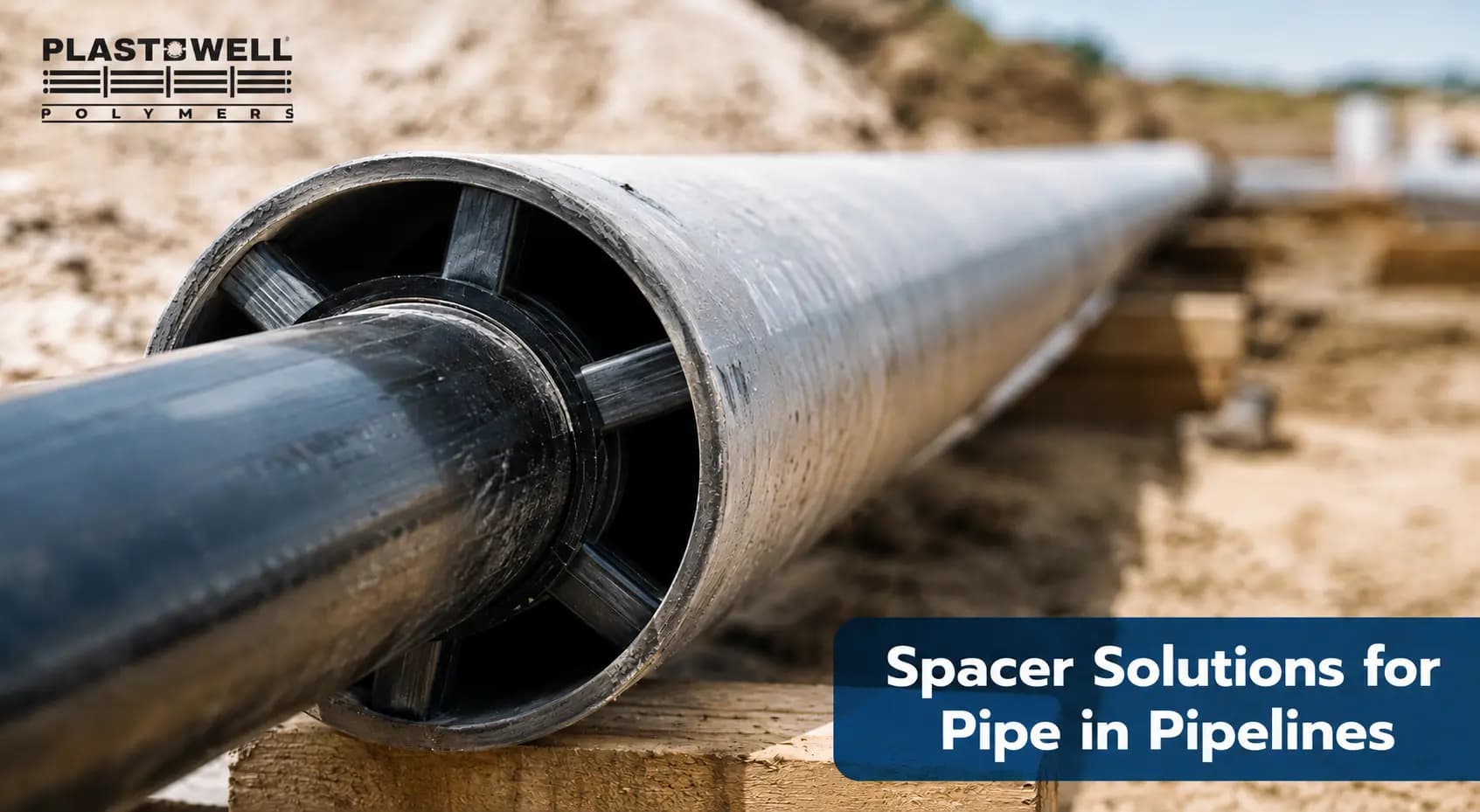
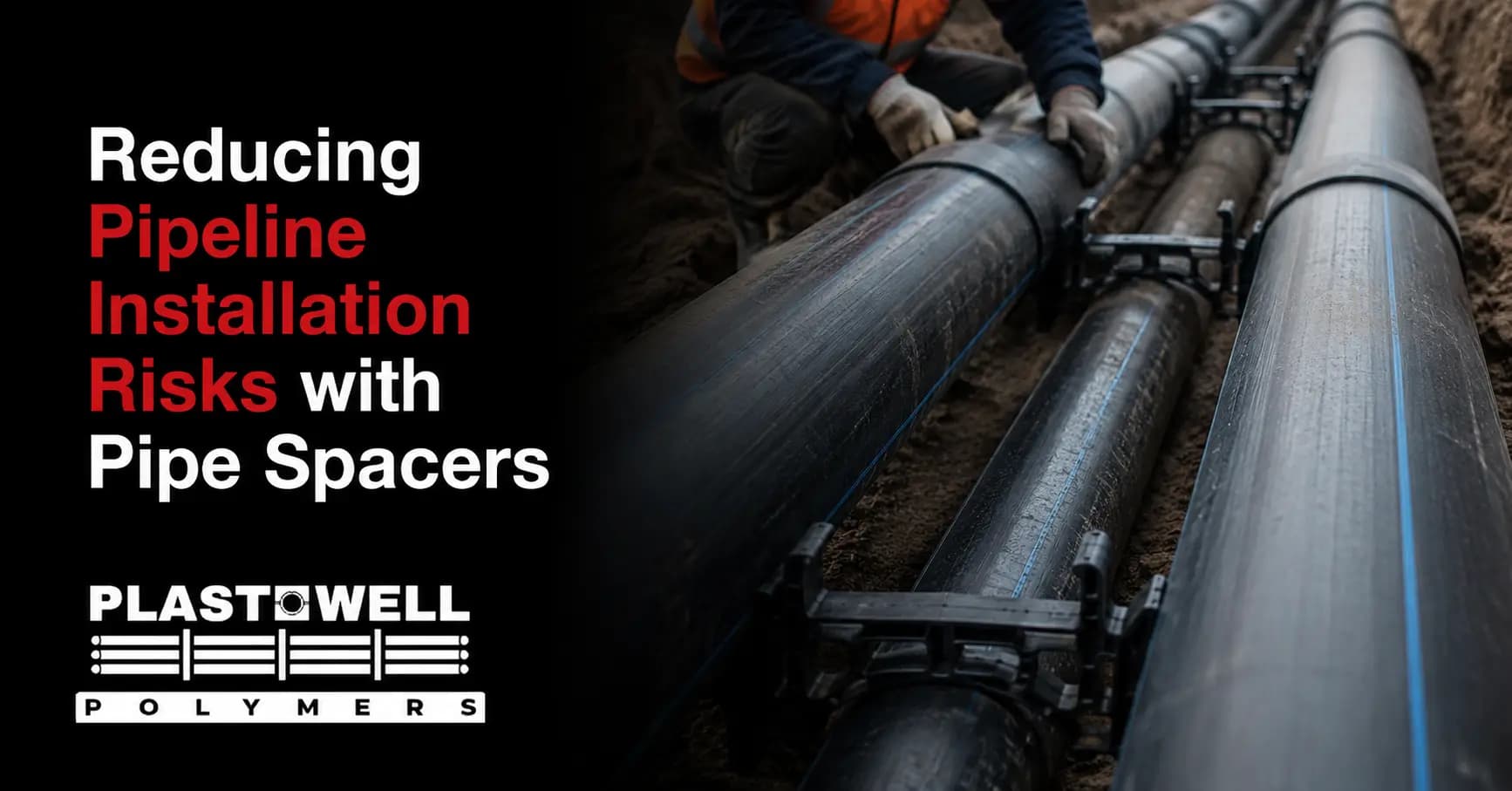
Pipe spacers are designed to support and center pipelines within protective casings or ducts. They help maintain proper spacing between the pipe and the casing wall, ensuring that the pipe remains stable during installation and operation. Without pipe spacers, pipelines may rub against casing surfaces, which can cause coating damage, misalignment, and long-term operational issues.
Selecting the right pipe spacer is therefore essential for ensuring the durability, safety, and performance of pipeline installations. A well-designed spacer improves installation efficiency, protects the pipe surface, and supports the pipeline under varying environmental conditions.
However, not all pipe spacers offer the same performance. Factors such as material quality, load-bearing strength, environmental resistance, and ease of installation can significantly affect how well the spacer performs over time. Understanding these features helps project engineers, contractors, and infrastructure developers choose the most suitable pipe spacer for their specific application.
In this blog, we will explore the key features to look for when choosing pipe spacers, helping you make informed decisions for reliable pipeline installation projects.
Key Features to Look for When Choosing Pipe Spacers
1. Material Quality and Durability
The material used in manufacturing pipe spacers plays a major role in determining their durability and long-term performance. Since pipe spacers are often installed underground or in challenging industrial environments, they must be able to withstand moisture, soil pressure, chemicals, and temperature fluctuations.
High-quality materials ensure that the spacer maintains its structural integrity throughout the pipeline's lifespan. Many modern pipe spacers are manufactured using high-density polyethylene (HDPE) or other engineered polymers because these materials offer excellent strength while remaining lightweight. In some applications, reinforced plastics or stainless steel components may also be used for additional durability.
A spacer made from strong, corrosion-resistant material can handle demanding conditions without cracking, deforming, or deteriorating over time. This reliability reduces the need for maintenance and ensures the pipeline remains properly supported for many years.
2. Load-Bearing Capacity
Pipelines often carry heavy fluids and operate under pressure, which adds significant weight to the system. In addition, underground pipelines experience external loads from soil pressure and surrounding infrastructure. For this reason, pipe spacers must be capable of supporting the weight of the pipe without collapsing or bending.
Load-bearing capacity is one of the most critical performance factors to evaluate when selecting pipe spacers. If the spacer cannot support the pipe properly, it may lead to uneven support or pipe sagging inside the casing. Over time, this can cause stress on the pipeline and increase the risk of structural damage.
Manufacturers typically provide specifications regarding the maximum load their spacers can handle. Selecting spacers with adequate load capacity ensures stable support and helps maintain the correct position of the pipeline throughout its operational life.
3. Proper Pipe Alignment
One of the primary functions of pipe spacers is to maintain accurate alignment between the pipe and the casing. Proper alignment ensures that the pipe remains centered within the casing and does not come into contact with the surrounding structure.
When pipes are not properly aligned, several problems can occur. Friction between the pipe and the casing may damage protective coatings, which can lead to corrosion over time. Misaligned pipelines may also experience uneven stress distribution, reducing their overall lifespan.
High-quality pipe spacers are designed with evenly spaced support segments or runners that keep the pipe centered. This design allows the pipeline to maintain consistent spacing throughout the casing, ensuring smooth installation and long-term operational stability.
4. Ease of Installation
Pipeline installation projects often involve tight schedules and complex site conditions. Choosing pipe spacers that are easy to install can significantly improve project efficiency and reduce labor costs.
Modern pipe spacers are designed with installer-friendly features that simplify the assembly process. Many spacers use modular components that can be quickly fitted around the pipe without requiring specialized tools. Some designs also allow quick adjustments to accommodate slight variations in pipe diameter.
Lightweight materials further contribute to easier handling during installation. When spacers can be installed quickly and accurately, contractors can complete pipeline installations more efficiently while maintaining consistent quality.
5. Corrosion Resistance
Pipelines are frequently installed in environments where moisture, chemicals, or soil acidity can cause corrosion. If pipe spacers are made from materials that corrode easily, their performance can deteriorate over time.
Corrosion-resistant pipe spacers are therefore essential for long-term pipeline reliability. Materials such as HDPE and polypropylene offer excellent resistance to corrosion and chemical exposure. These materials do not rust and can maintain their strength even when exposed to challenging environmental conditions.
Using corrosion-resistant spacers helps protect both the pipeline and the surrounding infrastructure, ensuring that the entire system remains stable and durable.
6. Friction Reduction During Installation
Another important feature of pipe spacers is their ability to reduce friction when the pipe is inserted into the casing. During pipeline installation, excessive friction can make the insertion process difficult and may damage the pipe’s protective coating.
Pipe spacers are designed with smooth runners or sliding surfaces that allow the pipe to move easily within the casing. These runners create a small gap between the pipe and the casing wall, reducing contact and minimizing resistance.
By lowering friction, pipe spacers help make installation faster and safer while protecting the integrity of the pipeline surface.
7. Compatibility with Various Pipe Sizes
Pipeline projects often involve pipes of different diameters depending on the application. Pipe spacers must therefore be compatible with the specific pipe size used in the project.
Manufacturers typically produce spacers in multiple sizes to accommodate various pipe diameters and casing dimensions. Selecting the correct spacer size ensures that the pipe remains properly centered and supported inside the casing.
Using the right size spacer also prevents unnecessary movement or shifting within the casing, which helps maintain pipeline stability.
8. Resistance to Environmental Conditions
Pipe spacers used in outdoor or underground environments must be able to withstand a wide range of environmental conditions. These may include temperature changes, soil pressure, groundwater exposure, and UV radiation.
High-quality pipe spacers are engineered to perform reliably in these conditions without losing strength or flexibility. Materials used in spacer manufacturing are often designed to resist cracking, swelling, or degradation caused by environmental exposure.
This resilience ensures that the spacer continues to support the pipeline effectively throughout the system's lifespan.
9. Long-Term Reliability
Once a pipeline is installed underground or within a casing, accessing internal components becomes extremely difficult. For this reason, pipe spacers must offer long-term reliability without requiring replacement or maintenance.
A well-designed pipe spacer maintains its shape, strength, and alignment support even after years of operation. Investing in durable spacers ensures that the pipeline remains stable and protected without the need for costly repairs.
Long-lasting spacers contribute to the overall efficiency and safety of the pipeline system.
10. Compliance with Industry Standards
Another important consideration when selecting pipe spacers is whether the product meets recognized industry standards. Quality-certified spacers are manufactured according to tested engineering guidelines, ensuring reliable performance in real-world conditions.
Compliance with industry standards provides confidence that the spacer has been designed and tested to meet structural and safety requirements. It also helps ensure consistency in product quality across different installations.
Choosing certified pipe spacers reduces the risk of product failure and helps maintain the integrity of the pipeline system.
Conclusion
Pipe spacers may seem like a small component within a large pipeline system, but they play a crucial role in maintaining pipeline alignment, protecting pipe coatings, and supporting the pipeline during installation and operation. Choosing the right pipe spacer can significantly improve the efficiency and longevity of pipeline projects.
Important features such as material durability, load-bearing capacity, corrosion resistance, installation convenience, and environmental performance should always be considered before selecting a spacer. By carefully evaluating these factors, project engineers and contractors can ensure that pipelines remain properly supported and protected.
Investing in high-quality pipe spacers not only improves installation efficiency but also enhances the overall safety and reliability of the pipeline system for years to come.
FAQs
1. What is the main purpose of pipe spacers?
Pipe spacers are used to maintain proper spacing between a pipeline and its casing. They keep the pipe centered, reduce friction during installation, and protect the pipe from damage.
2. Which material is commonly used for pipe spacers?
Pipe spacers are commonly manufactured from materials such as HDPE, polypropylene, reinforced plastic, and stainless steel due to their strength and corrosion resistance.
3. Why are pipe spacers important in pipeline installation?
Pipe spacers help maintain correct pipe alignment, prevent coating damage, reduce friction during installation, and provide stable support for the pipeline.
4. Can pipe spacers be used in underground pipelines?
Yes, pipe spacers are widely used in underground pipeline installations to keep pipes properly aligned within protective casings.
5. How do pipe spacers protect the pipe surface?
Pipe spacers prevent direct contact between the pipe and the casing wall, reducing friction and protecting the pipe’s coating from scratches or damage.
6. How do I select the correct pipe spacer size?
The correct spacer size depends on the outer diameter of the pipe and the inner diameter of the casing. Choosing the right size ensures proper centering and support.
7. Are pipe spacers suitable for industrial pipelines?
Yes, pipe spacers are commonly used in industrial pipelines, water supply systems, oil and gas pipelines, and other infrastructure projects.